
Software Licensing Metrics – Instance / Installation
Hello and welcome to this next article on Licensing Metrics, we’ve already covered some more general points about Licensing Metrics in two previous articles which it would be worth reading if you are new to the topic of Licensing Metrics. In this next stage of articles on Licensing Metrics we will be looking more specifically at different types of metrics, usually one per article, the different pros and cons of each and how they work in real-world use. If you are familiar with our previous series on Software Licensing Types then you will know how we structure these articles and what you can expect from them.

Software Licensing Metrics – Know Your Rights
Hello and welcome to our third article on Software Licensing Metrics. You’ll need to have read the first two articles in order if you’re going to get the most out of this one which will cover the importance of the definition of rights in an agreement over license metrics. We will look at the common problems which vendors encounter; the common disagreements which often occur, some possible methods which you can use to avoid those, management methods for when disagreements do happen and the best course of action which you can take to avoid losing business.

Software Licensing Metrics – The Value of Simplicity
At the heart of an effective software metric system is its inherent simplicity and the ease of explanation granted to the vendor. The key to selling a product well is the first impression it makes on the customer. Although every salesperson will always say when they are talking to a potential customer they want to keep as far away from discussion of the price as possible; it is often the deciding factor in the decision by a business or individual about whether or not to purchase a piece of software or a service.
Software Licensing Metrics – What are they?
As a company who distributes software to both domestic and business customers, it is important to ensure that you are charging the right amount for the products which you are distributing. In order to give your customers the best value possible, you need to make sure that your price is competitive and that it reflects the usage of the software.
Software Licensing Models – OEM, Time Limited and Upgrade Licenses
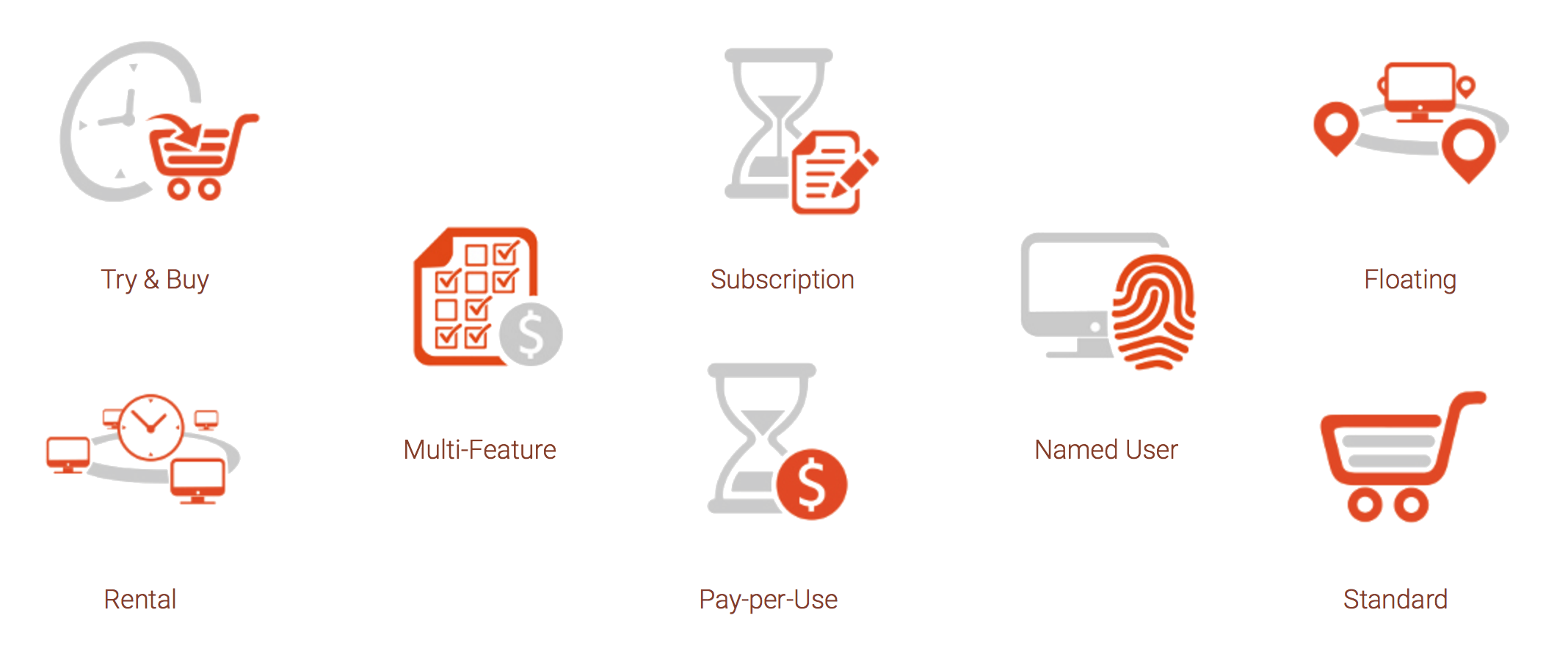
In this, our last article in our series on Software Licensing types, we will be looking at three final licensing types: OEM, Time Limited and Upgrade. The reason that these have been left to our last post that that they do not easily ‘fit’ within a certain group of license types and their uses are arguably esoteric. They have a limited field of use and are only useful to a small selection of end-users.
Software Licensing Models – Cross License and Duplicate grouping
This is now our seventh article, in our ongoing series on different software licensing models, their benefits and uses. We are now nearing the end of this particular series and as a result, the final couple of articles will see us cover those license models which we haven’t found space for previously. Rather than focusing on a specific type of licensing model in each article we will be covering a variety of types which link back to those which have already been discussed.