The AI-Driven Transformation of Enterprise Software Licensing: From Seats to Tokens
Enterprise software licensing is undergoing its most significant transformation since the shift to cloud computing, driven by the rapid adoption of Artificial Intelligence across business operations. As companies race to monetize AI investments, traditional seat-based licensing models are giving way to consumption-based pricing structures that align costs with actual usage, particularly token consumption and API calls.
The Demise of Seat-Based Licensing in the AI Era
Traditional seat-based pricing, where organizations pay fixed fees per user regardless of actual usage, is increasingly misaligned with how AI-powered software operates. The agentic AI market, projected to reach $45 billion by 2030 from $8.5 billion in 2026, is fundamentally changing how software resources are consumed. Unlike human users who log in and out of applications, AI agents operate continuously, making autonomous decisions and consuming computational resources in patterns that don’t fit the “per-seat” paradigm.
Companies like ServiceNow and IBM are successfully driving enterprise monetization through agentic AI workflows and token consumption. This shift reflects a broader industry recognition that AI doesn’t consume software the same way humans do - it processes thousands of API calls, generates responses measured in tokens, and operates at scales that make traditional licensing models economically inefficient for both vendors and customers.
Token-Based Pricing: The New Currency of AI Software
Token-based pricing has emerged as the dominant consumption model for AI-powered applications. In this framework, customers pay for actual computational resources consumed, measured in tokens processed rather than seats occupied. The typical structure differentiates between input tokens (prompts sent to AI systems) and output tokens (AI-generated responses), with output tokens often costing more due to higher computational expenses.
Implementation of effective token management requires organizations to monitor usage across applications and departments, optimize prompts for efficiency, and implement token budgets with guardrails. Research demonstrates that optimized prompts can reduce token consumption by 30-50% while maintaining output quality, making prompt engineering a critical cost management discipline.
Agentic License Agreements: The All-You-Can-Eat Model
A competing approach to per-token pricing has emerged: Agentic License Agreements (ALE). Companies like Salesforce are offering “all-you-can-eat” access to AI agents through single annual payments, promising unlimited agents and actions without per-token counting. This model provides cost predictability but conceals technical risks including throttling, increased latency, and ambiguous “fair use” policies that teams discover only after developing workflows dependent on consistent agent availability.
Entitlement Management in the Age of AI Agents
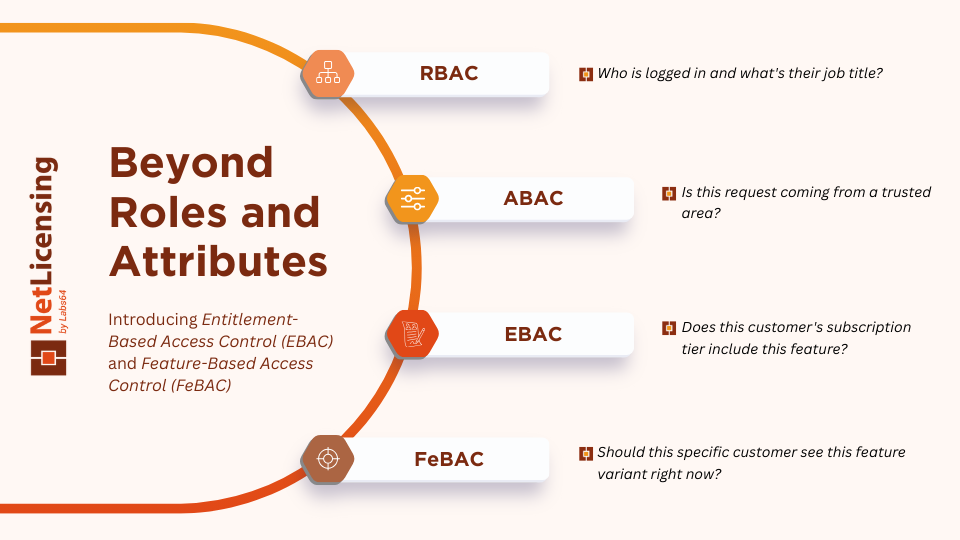
The emergence of AI agents has exposed critical gaps in traditional entitlement management systems. Entitlement management - the system governing what agents can access, how much they can consume, and when permissions expire - requires fundamental evolution to support agent-scale operations.
Traditional entitlement systems designed for human users fall short because AI agents exhibit fundamentally different access patterns:
- Scale: Agents can execute thousands of actions per hour versus dozens for humans
- Autonomy: Agents make independent decisions without explicit per-action user approval
- Ephemerality: Agents are often created dynamically for specific tasks and then terminated
- Delegation: Agents act on behalf of users but with scoped, temporary permissions
Next-Generation Entitlement Requirements
Modern entitlement management systems must support:
- Just-in-time allocation: Providing agents specific resource allocations (e.g., 10 image generations per task) rather than persistent access
- Scoped access: Limiting allocations to specific agents, sessions, and time windows
- Time-based entitlements: Permissions that automatically expire when tasks complete or business hours end
- Real-time monitoring: Transparent visibility into quota consumption by agent, session, and purpose
These capabilities enable organizations to prevent runaway resource consumption while maintaining predictable costs and audit trails for compliance.
Physical AI: The Next Monetization Frontier
While enterprise software companies grapple with AI licensing models, physical AI represents the next multi-trillion-dollar market opportunity beyond data centers. Autonomous vehicles, drones, and humanoid robots are moving from research labs to commercial deployment, with Waymo completing over 10 million paid robotaxi rides and Aurora Innovation launching commercial self-driving truck services.
The economics of physical AI are being transformed by Robotics-as-a-Service (RaaS) business models. Rather than selling robots as capital equipment, vendors increasingly deliver robotic capabilities as ongoing service subscriptions with deployment, maintenance, and uptime guarantees included. This shift removes the two biggest adoption barriers: upfront capital requirements and technical risk.
Manufacturing costs for humanoid robots dropped 40% between 2023 and 2024, with Bank of America projecting material costs will fall from $35,000 in 2025 to $13,000-$17,000 per unit within the next decade. These declining costs, combined with subscription-based delivery models, position physical AI for broader enterprise and eventually consumer adoption.
Strategic Considerations for Software Vendors
The transformation of software licensing around AI creates both opportunities and risks for vendors. Organizations must build AI cost governance into their operating models, including:
- AI workload cost modeling: Projecting GPU-intensive training and inference expenses
- Consumption guardrails: Setting limits and chargeback structures for AI resource usage
- Policy validation: Critically evaluating vendor-generated AI optimization recommendations
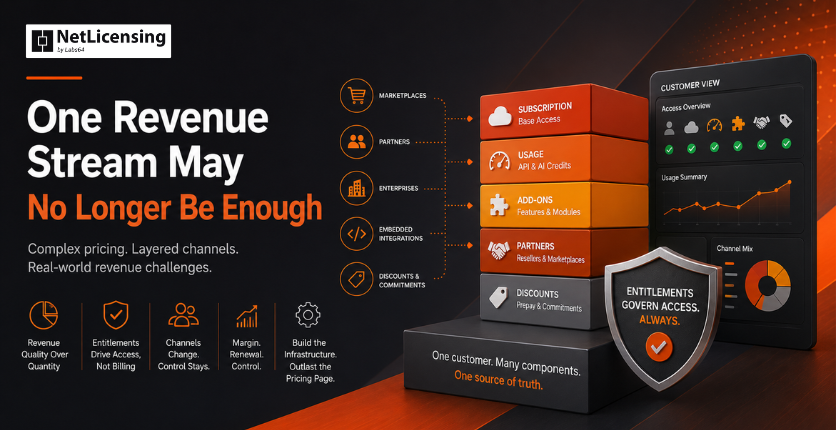
Software companies relying on traditional seat-based models face existential pressure to evolve. While AI won’t “eat all software,” it will consume software companies that fail to adapt their licensing models to meet enterprise customer demands for AI-powered insights and productivity gains. Successful vendors are partnering with AI infrastructure providers and transitioning to hybrid models that blend subscription fees with consumption-based pricing tied to actual usage metrics.
Implementing Consumption-Based Licensing
Organizations transitioning from seat-based to consumption-based pricing should consider hybrid approaches that provide customers flexibility while ensuring predictable revenue streams. Key implementation strategies include:
- Tiered pricing structures: Setting predefined usage limits with escalating rates as customers exceed thresholds
- Usage-based licensing: Charging according to specific resource consumption measured by API calls, data storage, compute hours, or tokens processed
- Committed capacity with overages: Combining base subscription fees with consumption charges for usage above committed levels
The shift to consumption-based models aligns vendor and customer interests by directly linking costs to value delivered, particularly crucial for AI solutions with high computational costs that must be offset through sustainable pricing.
The Road Ahead
As AI continues reshaping enterprise software, licensing and entitlement management will remain in flux. Organizations must regularly review license strategies whenever architectural changes, platform expansions, or deployment model shifts occur. The most successful approaches will balance innovation flexibility with legal clarity, especially for AI-driven platforms where license choices directly shape scalability, monetization potential, and ecosystem participation.
The transition from seats to tokens represents more than a pricing change - it reflects a fundamental shift in how software creates and captures value in an AI-native world. Vendors and customers alike must adapt their licensing strategies, entitlement systems, and cost governance practices to thrive in this emerging paradigm.
Image Credits: NetLicensing
Related Posts